

The Truth About Exotic Pets: Inexpensive to Buy, Complicated to Care For
Exotic pets—such as reptiles, birds, small mammals, and amphibians—can be fascinating and fun additions to a household. They’re often marketed as low-maintenance alternatives to dogs and cats, and their purchase price can seem surprisingly affordable. A baby bearded dragon, parakeet, or guinea pig might only cost $30–$100. But here’s what many pet owners don’t realize: the real investment begins after you bring them home.
At Albany Animal Hospital, we regularly see exotic pets in need of medical care that could have been prevented with proper husbandry, diet, or veterinary guidance. These animals have highly specific needs that are often misunderstood—or overlooked entirely.
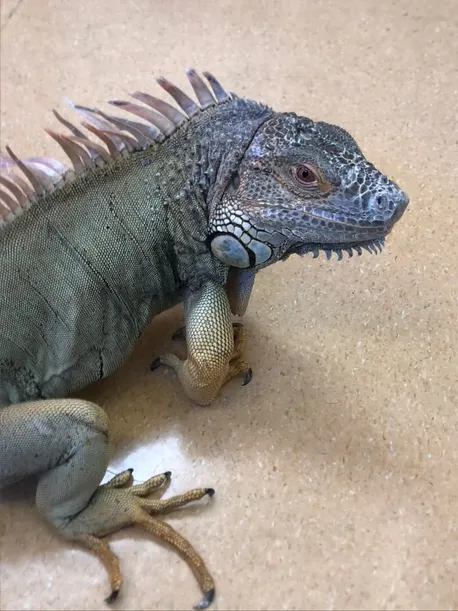
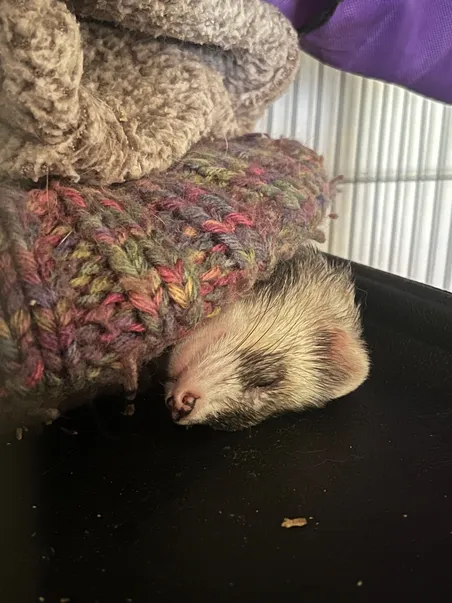

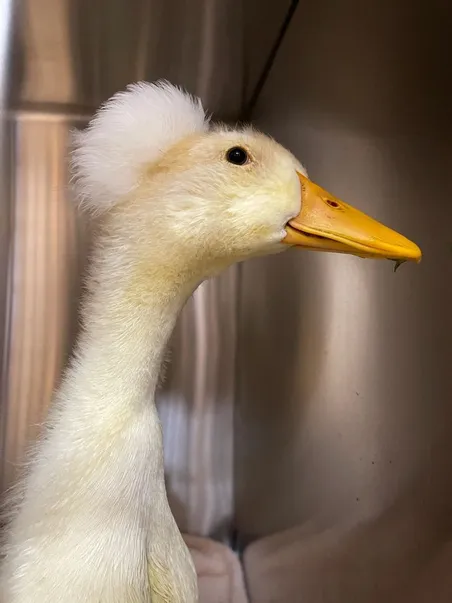
Why Exotic Pets Are More Complicated Than They Seem
While the initial cost of an exotic pet might be low, their specialized care is anything but simple. Each species has unique requirements when it comes to:
-
Diet and supplements
-
UV lighting and temperature regulation
-
Enclosure design and enrichment
-
Humidity levels and ventilation
-
Social or solitary behaviors
-
Lifespan expectations (some reptiles and birds live decades!)
Many health issues in exotics are directly related to improper husbandry, meaning they suffer from preventable diseases like metabolic bone disease, respiratory infections, or malnutrition.
Treating Exotic Pets Is Often Complex—and Costly
Unlike dogs and cats, exotic pets tend to hide signs of illness until they’re critically sick. Their physiology is very different, making diagnosis and treatment more challenging. For example:
-
Reptiles require temperature-controlled diagnostics and handling.
-
Birds can decline rapidly from even minor stress or dehydration.
-
Small mammals often need anesthesia for even basic procedures due to their size and fragility.
Treatment for exotic pets often involves advanced imaging, species-specific medications, and specialized surgical techniques, which can quickly add up in cost—and may not even be available at every veterinary clinic.
Be Informed Before You Buy
We’re not saying exotic pets can’t make wonderful companions—they absolutely can! But potential owners should fully understand the level of commitment involved before purchasing one. What seems like a $50 pet can easily become a $500+ emergency visit if its needs aren’t being met.
Before bringing an exotic animal into your home, we strongly recommend:
-
Researching the species in detail
-
Budgeting for proper habitat equipment and ongoing veterinary care
-
Scheduling a wellness exam soon after purchase to catch any underlying issues early
Exotic pets aren’t low-maintenance—they’re just misunderstood. Proper education and preventive care are the best ways to ensure your unique companion thrives.
If you have questions about exotic pet care or need to schedule a consultation, we’re here to help.
Download our Exotic Pet Care Checklist before getting your new pet!
📞 (541) 926-8817 | 🌐 albanyanimalhospital.com| 📍 629 Madison St SE Albany, OR 97321
